All Categories
Featured
Table of Contents
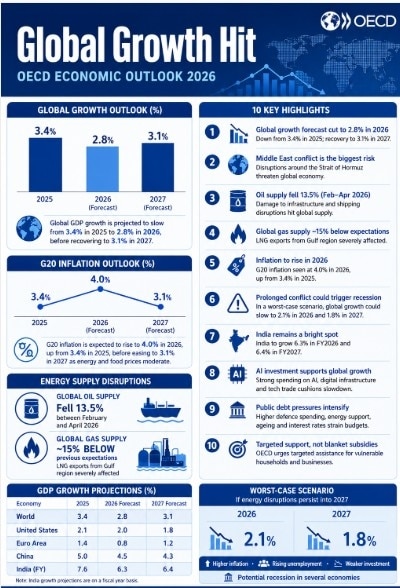
Iraq the second-largest manufacturer within the Organization of the Petroleum Exporting Countries (OPEC) experienced the biggest drop in production, approximated at almost 70 percent, dropping to about 800,000 barrels daily from 4.3 million barrels prior to the Strait of Hormuz crisis. Egypt's circumstance worldwide Bank report varies from that of some countries in the area that saw sharp contractions; the bank maintained its projection for Egypt's economic development at 4.3%.
"Peace and stability are prerequisites for the region's long lasting development. With peace and the best action, nations can build the institutions, capabilities and competitive sectors that produce chances for people," he added. When It Comes To Roberta Gatti, World Bank Group Chief Economic Expert for the Middle East, North Africa, Afghanistan and Pakistan, she stated: "As countries deal with the heavy toll of today dispute, it is essential to likewise not forget the work needed for lasting peace and prosperity.".
The most recent conflict in the Middle East has actually taken a serious and immediate financial toll on nations in the surrounding region. The closure of the Strait of Hormuz and damage of energy and public infrastructure have interrupted markets, increased financial volatility, and weakened the 2026 development outlook, according to the (MENAAP).
Omitting Iran, total development in the area is anticipated to slow from 4.0% in 2025 to 1.8% for 2026. This forecast stands 2.4 portion points listed below the World Bank Group's January forecasts. The decrease is concentrated in Gulf Cooperation Council economies and Iraq, which are greatly affected by the dispute.
Top International Capital Avenues in the GCC Market
Risks are slanted to the drawback. In the occasion of an extended conflict, the existing influence on the area will be compoundedthrough elevated energy and food costs, declining trade, tourism and remittances, increased fiscal pressures, and displacement. "The present crisis is a stark tip of the work ahead for the region: not only to weather shocks, however to rebuild more resilient economies with stronger macroeconomic principles, innovate and improve governance, buy facilities, and improve employment-creating sectors," stated.
With peace and the best action, nations can develop the organizations, capabilities and competitive sectors that produce opportunities for individuals." With this long-lasting vision in mind, the report takes a close take a look at the area's capacity for industrial policy federal government actions to increase tactical service activity as a driver of financial growth and job development.
Federal governments in the area have actually adopted commercial policy at a high rate in the last years, frequently through sovereign wealth funds and state-owned business, however the outcomes have been blended. The report highlights the important need for strong institutions and mindful targeting of policies. "As countries face the heavy toll of today dispute, it is essential to likewise not lose sight of the work needed for long-lasting peace and success," stated.
2026 Business Landscape in the GCC
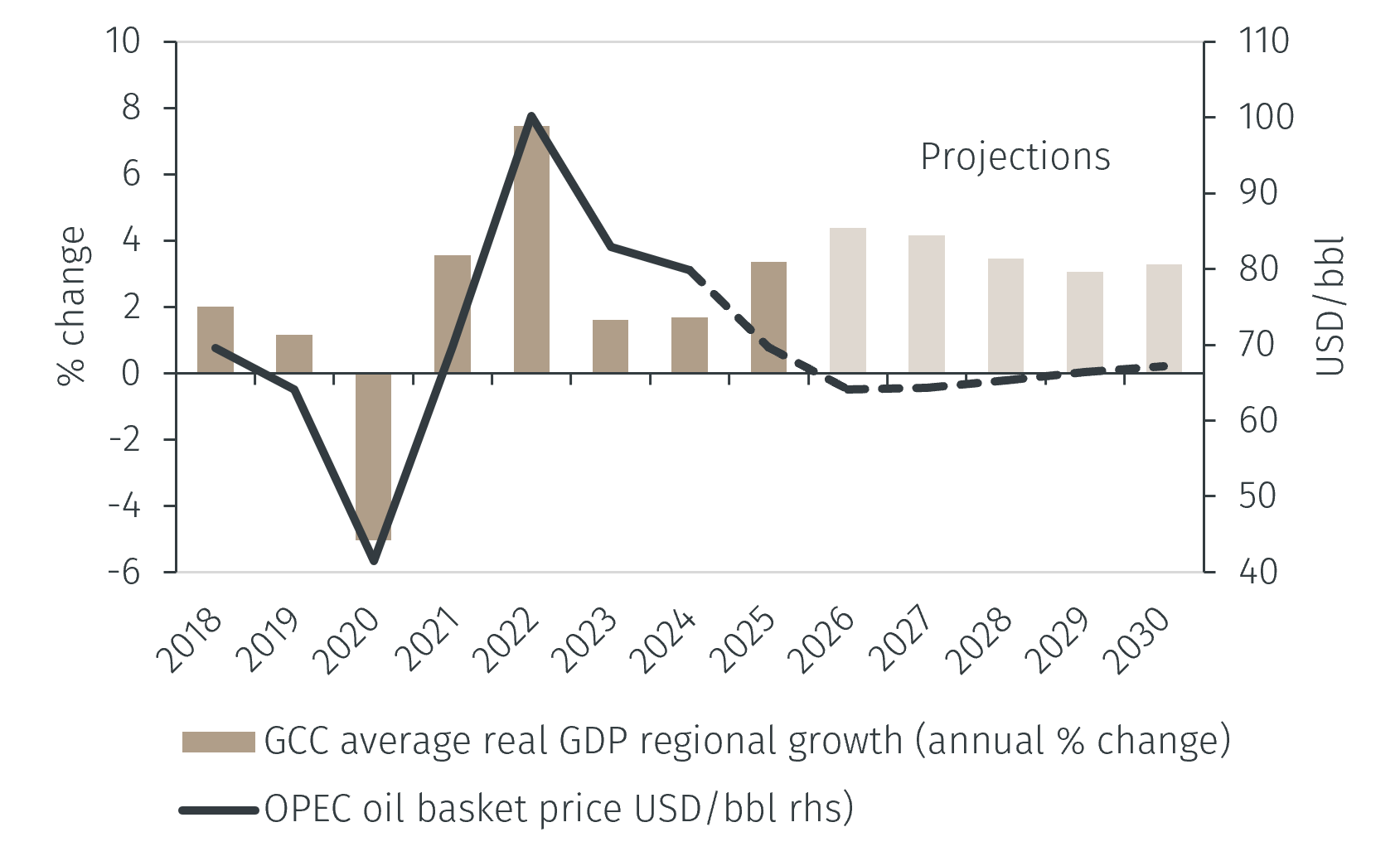
The Gulf economies 2026, mostly the ones from the Gulf Cooperation Council (GCC) countries, are entering into 2026 with a fresh drive. The boost in oil production, the development of the Gulf non oil sectors, and the detailed structural reforms are the elements that will make the strong financial development possible.
Here are the major indications to observe along with the dangers it is much better to comprehend before taking any action. The GCC financial outlook belongs to this shift, and signals continue to progress as the region positions for brand-new momentum. Worldwide institutions okay to the Gulf's growth in 2026.
This aligns with a more comprehensive GCC growth forecast 2026 that reveals constant enhancement. This recovery is a result of both the return of hydrocarbon activities and the advancement of Gulf non oil sectors. Tourist, logistics, production, and financing have actually been prospering in the most populous and rich in oil nations of the GCC.
How Economic Shifts Will Transform GCC Markets
However, the development is various in each case. Some forecasts suggest that the oil price drop will cause the cooling off of the growth rate. Also, if profits decrease, fiscal policy GCC in some countries will be under a heavy test, hence investors should be especially attentive to oil cost volatility GCC.
This becomes part of larger GCC diversity efforts that are beginning to improve long-lasting expectations. In the United Arab Emirates, non-oil activities are estimated to be the primary chauffeurs of GDP development, which would be around 5 to 5.6 percent in 2026. The sectors of tourist, trade, logistics, property, and financial services continue to be the main engines of the nation's economy, showing non oil sector growth in GCC nations 2026.

Latest Posts
The 2026 Middle East Fiscal Projection
International Capital Opportunities across the Middle East
Can GCC Non-Oil Success Outpace Western Benchmarks?